
How Roofing Material Suppliers Can Find More Contractors in Florida
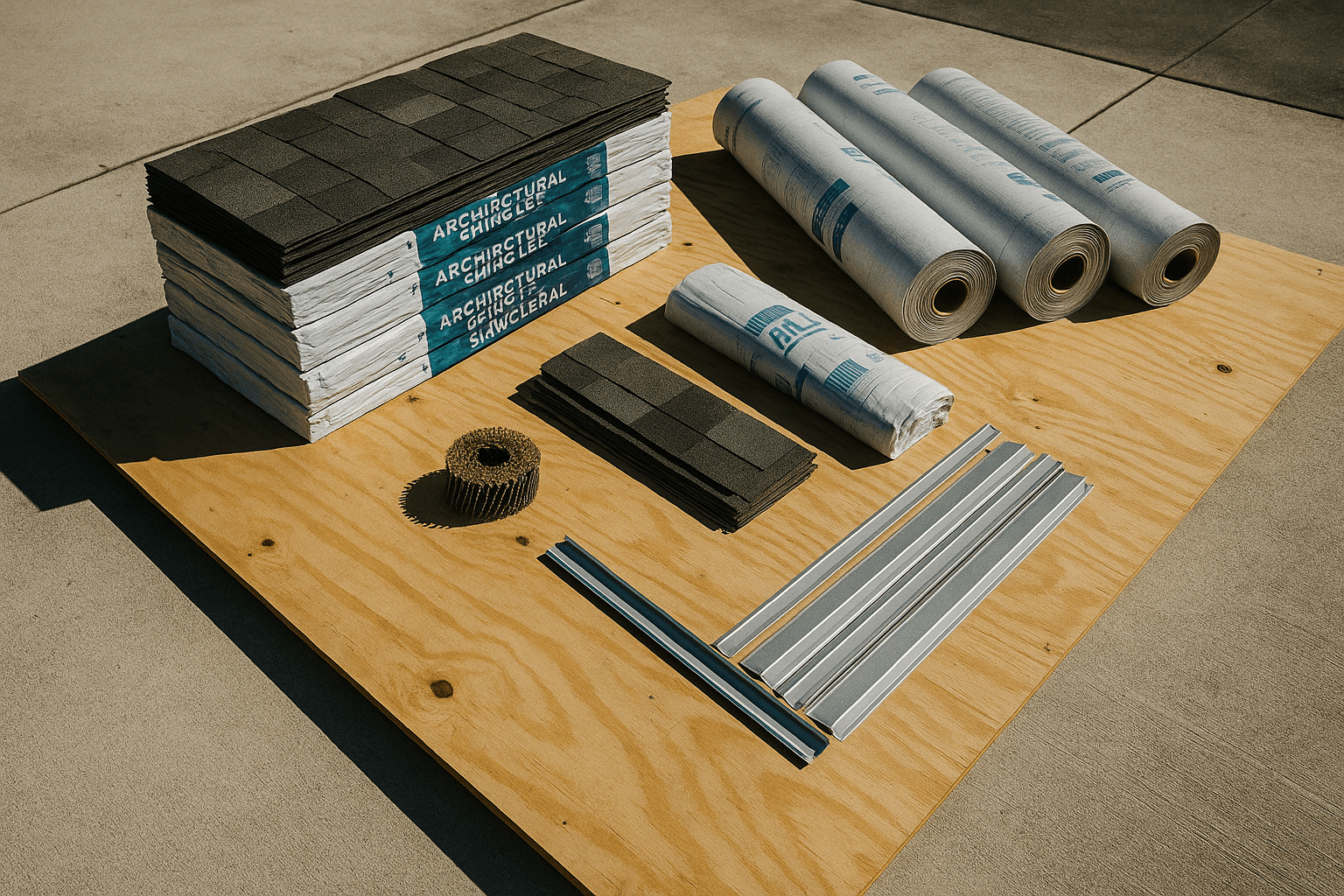
If you sell roofing materials in Florida — shingles, underlayment, metal panels, tile, or flat roof systems — your business depends on contractors buying from you instead of from the competitor down the road. Most roofing supply companies rely on the same handful of strategies to grow: outside sales reps knocking on contractor doors, trade show booths, distributor relationships, and maybe a loyalty program. These all work to a degree. But they all share the same blind spot — you are marketing to contractors you already know about. The ones who are already in your CRM, already getting your price sheets, and already deciding between you and two other suppliers.
The contractors you are missing are the ones you have never met. The small to mid-size roofing companies picking up new jobs every week, the general contractors pulling roofing projects who might not have a preferred supplier yet, and the out-of-state contractors expanding into Florida's booming market. Finding these contractors — and reaching them while they have an active project that needs materials — is the difference between growing your revenue and watching it plateau.
Why Active Project Data Changes the Game for Suppliers
Traditional supplier marketing is relationship-driven. Your reps visit job sites, take contractors to lunch, and build trust over time. That approach still matters, but it is slow and limited by how many doors your team can knock on in a day. Meanwhile, hundreds of new roofing projects are filed across Florida every week, and many of those projects involve contractors who have never heard of your company.
Suncoast Leads tracks active construction and renovation projects across Florida counties, including roofing projects of all types — re-roofs, new construction, commercial flat roof work, and residential tile and shingle replacements. Each project record is enriched with AI-verified contact information for the property owner and, when available, the contractor of record. For a roofing material supplier, this data is a direct line to contractors who have work on the books right now and need materials to complete it.
Instead of waiting for contractors to walk into your showroom or hoping your outside rep catches them on a good day, you can proactively reach out to contractors who have active projects in your delivery area. You know what kind of project it is, where it is located, and when it was filed. That is the kind of intelligence that turns a cold call into a warm conversation.
The Florida Roofing Market by the Numbers
Florida's roofing market is the largest in the United States, driven by a combination of factors that no other state can match. The hurricane exposure means roofs take a beating and need replacement more frequently. The state's building code requires roof upgrades to meet current wind resistance standards when a certain percentage of the roof is replaced. Insurance companies are mandating roof replacements on homes with roofs older than 15 years. And new residential construction continues at a rapid pace, particularly along the Gulf Coast, in Central Florida, and throughout South Florida.
For material suppliers, this translates to massive and consistent demand. But demand alone does not guarantee that your company captures its share. The suppliers who grow are the ones who are in front of the right contractors at the right time — when they have a job that needs material, not six months after they have already set up an account with your competitor.
4 Ways Roofing Suppliers Can Use Project Data to Grow Sales
1. Identify Contractors Working in Your Delivery Radius
Not every roofing project in Florida is relevant to your business. What matters is the projects within your delivery area, involving contractors you can realistically serve. Use active project data to filter by county and by project type. If you specialize in metal roofing systems, focus on projects that involve metal roof installations. If you stock tile roofing, look for projects in the upscale residential markets where tile is the standard. The more targeted your outreach, the higher your conversion rate.
2. Track New and Growing Contractors
Established roofing companies with hundreds of jobs per year already have supplier relationships locked in. Your biggest growth opportunity is with the contractors who are scaling up — the companies that did 30 jobs last year and are on pace to do 60 this year. Active project data lets you identify these contractors by tracking how often their name appears on new projects. When you see a contractor's name showing up repeatedly across your market, that is a company worth a call from your sales team. They are growing fast and may be outpacing their current supplier's ability to deliver.
3. Reach Property Owners Doing Owner-Builder Projects
Not every roofing project has a licensed contractor attached. Some homeowners pull their own projects and act as the owner-builder, hiring subcontractors and purchasing materials themselves. These owner-builders need roofing materials, and they often do not know where to buy them beyond the big-box home improvement stores. A targeted outreach to owner-builders in your area — offering contractor pricing, delivery, and technical guidance — can turn a one-time buyer into a repeat customer if they take on more projects.
4. Time Material Promotions to Project Activity
If you run seasonal promotions or need to move excess inventory, active project data tells you when and where demand is spiking. Seeing a surge of new construction projects in a particular county? That is the right time to promote your shingle or underlayment package deals in that area. Noticing a wave of re-roof projects in an older neighborhood? Push your tear-off and replacement bundles. Timing your promotions to actual construction activity makes your marketing spend far more efficient than blanket advertising.
5. Build Relationships Before the Contractor Needs You
The most effective supplier relationships start before the contractor has an urgent need. When you reach out to a contractor who just started a new project, you are not asking for a sale today — you are introducing yourself as a resource for this project and the next one. Offer a site visit, a free material estimate, or a sample of a product they might not have considered. Contractors remember the supplier who showed up early and made their life easier. That goodwill translates into purchase orders on future jobs.
From Data to Deals
Roofing material suppliers who rely solely on walk-in traffic and existing relationships are leaving money on the table. Florida's roofing market is too large and too active to cover with a traditional sales team alone. Active project data gives your team a daily feed of new opportunities — contractors with jobs in progress, homeowners managing their own projects, and emerging companies scaling their operations. Each one is a potential new account.
Suncoast Leads delivers active roofing project data from counties across Florida, enriched with AI-verified contact information for property owners and contractors. Whether you are a regional distributor looking to expand your contractor base or a specialty supplier trying to break into new markets, project data turns your outbound sales from guesswork into a targeted operation. Visit suncoastleads.com to see active roofing projects in your area today.